Travel Guide ·
Best Times for Umrah: Season Comparison
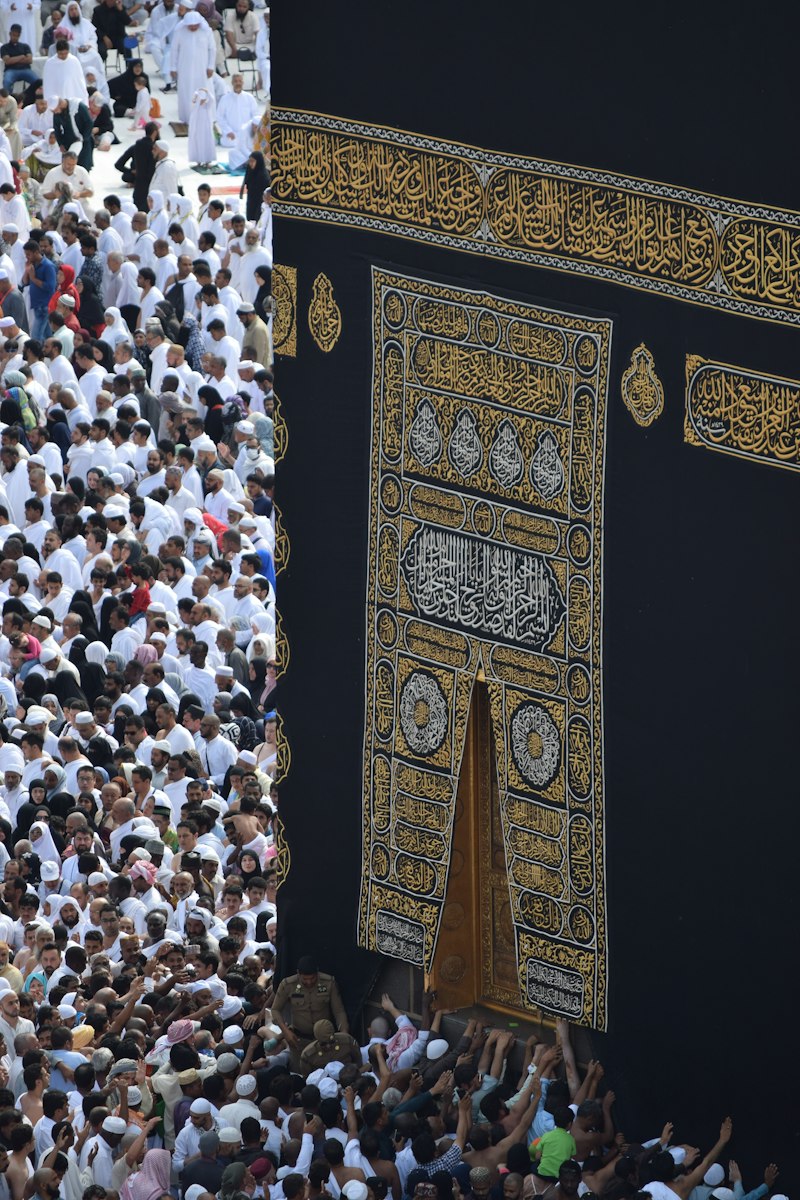
Choosing the best time to perform Umrah in 2026 depends on your priorities: weather, crowd levels, budget, and spiritual goals. In this expert guide, we compare all the main seasons—Rajab, Sha’ban, Ramadan, Shawwal, the Eid al-Adha period, and Mawlid—alongside month-by-month weather in Makkah and Madinah, typical crowd trends, and price patterns. You’ll also find tailored recommendations for families, elderly pilgrims, and budget-conscious travelers. Whether you plan a private journey or a group package with Karama Travel (كرامة ترافل), use these insights to time your Umrah for a smooth, spiritually uplifting experience.
Best time to perform Umrah in 2026: quick calendar overview
Because the Hijri calendar is lunar, exact dates shift by moon sighting and can vary by 1–2 days. In 2026, expect these approximate windows for key Umrah seasons:
- Rajab (sacred month): Late December 2025 to mid/late January 2026
- Sha’ban: Late January to mid/late February 2026
- Ramadan: Roughly mid/late February to mid/late March 2026 (peak crowds and prices; last 10 nights are the busiest)
- Shawwal: Roughly mid/late March to mid/late April 2026 (post-Ramadan; early days remain busy)
- Dhu al-Hijjah (Eid al-Adha period): Approximately late May to mid/late June 2026 (Hajj period; Umrah is possible outside core Hajj rites but crowding and restrictions around specific days)
- Mawlid (Rabi’ al-Awwal): Expected around mid-August to mid-September 2026 (many pilgrims visit Madinah to honor the Prophet’s birth)
Planning tip: confirm exact start/end dates 4–6 weeks before travel. Karama Travel monitors official announcements to help align flights, hotel nights, and your mosque visit timings in both cities.
Weather in Makkah and Madinah by month
The climate strongly affects comfort, walking stamina, and hydration. Here’s a practical overview (typical daytime highs):
- January: Makkah 28–31°C; Madinah 22–26°C (cool nights, very comfortable). Ideal for elderly and families.
- February: Makkah 30–33°C; Madinah 24–28°C (pleasant; Ramadan may begin late Feb in 2026).
- March: Makkah 33–36°C; Madinah 27–31°C (warming; manage sun exposure during long tawaf/sa’i).
- April: Makkah 37–40°C; Madinah 31–35°C (hot; plan indoor rest at midday).
- May: Makkah 40–43°C; Madinah 35–39°C (very hot; prioritize Fajr, Isha visits, shaded routes).
- June: Makkah 42–45°C; Madinah 38–42°C (extreme heat; strict hydration and cooling strategies needed).
- July: Makkah 43–46°C; Madinah 39–43°C (peak heat; consider wheelchairs/electric carts for long walks).
- August: Makkah 43–46°C; Madinah 38–42°C (high heat and humidity—particularly tough for seniors).
- September: Makkah 41–44°C; Madinah 36–40°C (still hot, slightly easing late month).
- October: Makkah 38–41°C; Madinah 33–37°C (more manageable; good for budget deals).
- November: Makkah 33–36°C; Madinah 27–31°C (pleasant, popular shoulder season).
- December: Makkah 30–33°C; Madinah 23–27°C (comfortable days, cool nights; great for longer stays).
Key takeaway: for cooler conditions, aim January–March or November–December. In intense heat (May–August), schedule rituals during cooler hours, use umbrellas/cooling towels, and book hotels within short walking distance or with reliable shuttle service.
Crowd levels and pricing by season
Understanding how demand fluctuates will help you find the best time to perform Umrah at the right price:
- Ramadan (especially last 10 nights): Highest demand of the year. Hotels near the Haram multiply in price, flights fill early, and mosques are at capacity. Book 4–6 months ahead for preferred rooms.
- Eid al-Fitr and first week of Shawwal: Still very crowded with elevated prices. Mid-to-late Shawwal gradually normalizes.
- Rajab and Sha’ban: Moderate to high demand as many prepare spiritually for Ramadan; rates are lower than Ramadan but can surge on weekends and around Moroccan school holidays.
- Dhu al-Hijjah/Eid al-Adha period: Crowds swell due to Hajj. Umrah is possible outside core Hajj days, but accommodation near the Haram is tight and costly; transport logistics are more complex.
- Mawlid (Rabi’ al-Awwal): Increased flow to Madinah; moderate impact on Makkah. Prices rise mainly in Madinah close to the Prophet’s Mosque.
- Off-peak windows: Early/late months outside these periods (e.g., November–December and parts of October) often bring more availability, calmer mosques, and better value.
Budget tip: choose weekday flights, consider slightly longer stays to capture cheaper nightly averages, and look at quality hotels 300–800 m from the Haram with shuttle options.
Spiritual benefits by period: Rajab, Sha’ban, Ramadan, Shawwal, Eid al-Adha, Mawlid
- Rajab: A sacred month, traditionally respected for increased worship and repentance. While there’s no specific, authenticated superiority of Umrah in Rajab itself, many find it a meaningful time to reset intentions before Ramadan.
- Sha’ban: A beautiful month to prepare for Ramadan—establish routines of Qur’an recitation, voluntary fasting, and night prayers in the Haramain so Ramadan arrives with momentum.
- Ramadan: The Prophet ﷺ taught that performing Umrah in Ramadan carries a reward like performing Hajj with him (in virtue, not replacing the obligation of Hajj). Night prayers, iftar in the Haram, and the last ten nights offer powerful spiritual uplift.
- Shawwal: Continuing worship after Ramadan helps maintain new habits. Early Shawwal is lively; mid-to-late Shawwal is calmer, allowing focused devotion without Ramadan-level crowds.
- Eid al-Adha period: The first ten days of Dhu al-Hijjah are among the most virtuous days for good deeds. Although Hajj dominates, non-Hajj pilgrims can perform Umrah; expect logistical constraints near major Hajj rites.
- Mawlid (Rabi’ al-Awwal): Many believers are inspired to visit Madinah to increase salawat upon the Prophet ﷺ and renew love for his Seerah. While practices vary by tradition, the atmosphere in Madinah is spiritually moving for many visitors.
Recommendations by traveler type (families, elderly, budget, first-timers)
- Families with school-aged children: Consider late December–January or mid-to-late March/April (after early Shawwal rush) for manageable weather and crowds. Choose family rooms or interconnected units close to the Haram to reduce walking with kids.
- Elderly/limited mobility: Aim for cool months (November–February). Book hotels within a short, flat walk or with reliable shuttles; prebook wheelchairs or electric carts for tawaf/sa’i; plan rituals after Fajr and after Maghrib to avoid heat.
- Budget-conscious: Target shoulder seasons—October–November and mid-to-late Shawwal. Be flexible by ±3–5 days to capture airfare drops, and consider triple/quad room plans for better per-person rates.
- First-time pilgrims: Sha’ban and mid-to-late Shawwal balance spirituality and manageability. Consider guided groups so you can learn rites calmly without peak-season pressure.
- Women traveling in groups: Select cooler months for comfort, and prioritize hotels with strong security, female-friendly amenities, and on-site prayer spaces when possible.
- Short-stay professionals: A 5–7 day itinerary works well in January–February or October–November: fly into Madinah first to acclimatize, then finish in Makkah before flying home.
For tailored Moroccan departures (e.g., Casablanca, Rabat, Marrakech) and group pacing, Karama Travel can match dates to your comfort, budget, and available leave.
Pricing patterns in 2026 and how to save
- Book early for Ramadan: Secure rooms 4–6 months ahead; last 10 nights can sell out near the Haram. If you’re price-sensitive, consider early Ramadan or the first week of Sha’ban instead.
- Use date flexibility: Shifting by 2–3 days can reduce airfares noticeably. Midweek flights (Tue–Thu) often beat weekend prices.
- Consider Madinah-first routing: Flying into Madinah and out of Jeddah sometimes yields better fares and smoother crowd flow.
- Choose the right hotel radius: 300–800 m from the Haram can be excellent value, especially with reliable shuttles and breakfast included.
- Rooming strategy: For groups of 3–4, triple/quad rooms lower per-person costs; for couples, look for early-bird promos with nonrefundable rates.
- Transport inside Saudi: The Haramain High-Speed Railway between Makkah–Madinah via Jeddah is fast and often cheaper than private transfers when booked early.
- Travel insurance and change policies: Lock in options with fair change fees. Weather heatwaves or personal needs may prompt schedule adjustments.
Ask Karama Travel (كرامة ترافل) for 2026 deal windows—especially around early Shawwal and October–November—when prices typically dip without sacrificing proximity or comfort.
Logistics and on-the-ground planning for 2026
- Visas and permits: Arrange your Umrah visa through an authorized agent. Use the Nusuk platform/app for Umrah and Rawdah permits as required. Check passport validity (at least 6 months) and mandatory insurance.
- Health prep: Vaccinations (per current Saudi requirements), adequate hydration, electrolytes, sun protection, and comfortable walking shoes. In hot months, plan rest between rituals and consider cooling towels.
- Mobility and safety: Reserve wheelchairs/e-carts early; learn accessible entry points for tawaf/sa’i. Keep ID copies and hotel cards on hand.
- Prayer strategy: Arrive early for Jumu’ah; in peak times, use designated overflow areas. For Ramadan/peak, allocate extra time for security/entry.
- City sequencing: Many find Madinah-first calmer for orientation, then Makkah for Umrah and departure. This flow helps first-timers settle spiritually and logistically.
- Packing: Lightweight, breathable clothing; small prayer mat; refillable water bottle; unscented toiletries; simple snacks for energy.
- Money and connectivity: Keep small cash for tips/transport; enable roaming or buy a local SIM for coordination.
With these basics in place, you can focus on worship while staying comfortable and safe throughout your 2026 journey.
Putting it together: when is the best time to perform Umrah in 2026?
- For the deepest Ramadan atmosphere (and can handle crowds/budget): mid-Ramadan through the last ten nights (approx. early to mid-March 2026). Book very early.
- For cooler weather and calmer spaces: January–February 2026 (Rajab/Sha’ban) and November–December 2026 offer comfortable temperatures with manageable crowds.
- For balanced value and spirituality: Mid-to-late Shawwal 2026 (after the first week) blends post-Ramadan glow with improving availability.
- For those inspired by Mawlid: Aim for Madinah in mid-August to mid-September 2026, pairing it with a quieter Makkah window before/after to avoid heat spikes.
- If avoiding peak Hajj congestion: Steer clear of late May to late June 2026 around Eid al-Adha.
Ultimately, the best time to perform Umrah aligns your spiritual goals with realistic comfort and budget. Speak with Karama Travel to match dates, hotels, and flight routes to your needs, and to confirm final moon-sighting based schedules for 2026 so you arrive at the Haramain with clarity and peace.
In summary, 2026 offers excellent opportunities to perform Umrah across multiple seasons. Choose cool months for comfort, Ramadan for unparalleled ambiance, Shawwal for post-Ramadan serenity, and plan around Hajj and Mawlid based on your preferences. Verify final Hijri dates close to travel, book early when aiming for peak times, and schedule rituals to avoid midday heat. With thoughtful planning—and guidance from a specialist like Karama Travel (كرامة ترافل)—you can experience a smooth, rewarding pilgrimage that honors both your devotion and your practical needs.