Hajj Guide ·
Complete Hajj Guide - All Steps from Start to Finish
Introduction
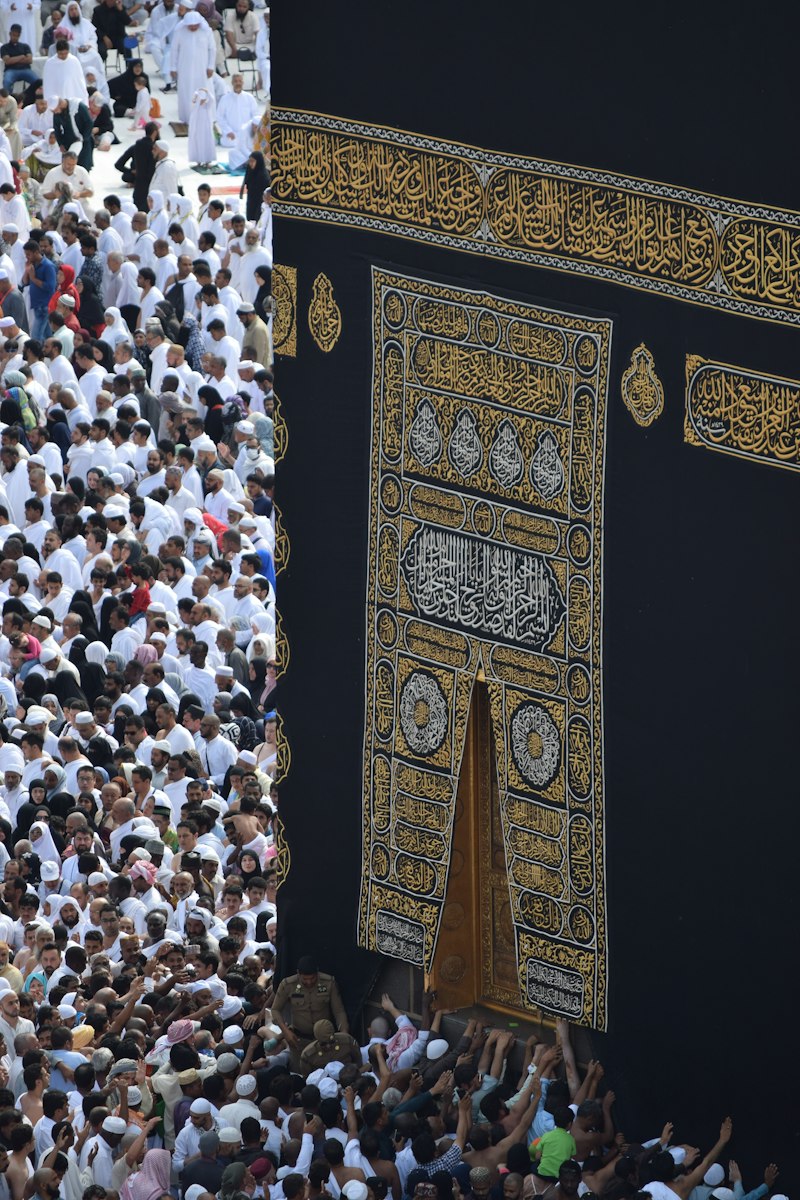
The Hajj is one of the five pillars of Islam and a profound spiritual journey that requires careful preparation, knowledge, and patience. This guide complet hajj étapes rituels provides a clear, step-by-step walkthrough of the major rituals performed during the five days of Hajj (8th to 12th of Dhu al-Hijjah), explains the essential acts of worship such as Ihram, Tawaf, Sa'i, the Day of Arafat, Muzdalifah, and the stoning of the Jamarat. It also offers practical tips on physical preparation, common mistakes to avoid, and how Karama Travel (كرامة ترافل) supports pilgrims before, during, and after their Hajj experience. Whether you are a first-time pilgrim or returning, this article is designed as a practical companion to help you perform Hajj with confidence and devotion.
Before You Begin: Intention, Ihram, and Practical Preparations
Start with the correct intention and practical arrangements. Key points:
- Intention (Niyyah): Make the clear intention for Hajj when entering the state of Ihram. Your niyyah distinguishes Hajj from Umrah and must be verbalized or made in the heart before donning Ihram.
- Ihram: Men wear two unstitched white cloths; women wear modest, non-sewn clothing that fulfills the Islamic requirement. Ihram marks the beginning of prohibited acts such as cutting hair, using perfume, and marital relations.
- Miqat: Enter Ihram at the designated miqat for your route. Do not delay; plan travel time to avoid entering Makkah in a non-proper state.
- Practical checklist:
- Valid passport, visa, and vaccinations
- Comfortable sandals, a small backpack, water bottle, travel umbrella
- Medication, first-aid kit, and a small Qur'an or dua book
- Copies of emergency contacts and your group's itinerary
Actionable tip: Practice putting on Ihram garments and reciting Talbiyah before travel to reduce stress on arrival. Keep a compact dua list for key rituals so you can focus on worship rather than remembering long supplications.
The Five Days of Hajj: Day-by-Day (8th to 12th Dhu al-Hijjah)
This section gives a step-by-step overview of the five core days of Hajj:
- 8th Dhu al-Hijjah (Yawm at-Tarwiyah / Departure to Mina):
- Enter Ihram from miqat if not already in state.
- Proceed to Mina and spend the day and night in prayer and supplication. It is a day of reflection and solidarity.
- 9th Dhu al-Hijjah (Day of Arafat):
- After dawn, depart Mina and go to Mount Arafat. This is the most important day.
- Spend the afternoon in Dua and Dhikr, seeking forgiveness. The Prophet said, 'Hajj is Arafat.'
- Perform shortened prayers; there is no Tawaf on this day.
- Night of 9th-10th (Muzdalifah):
- After sunset, move to Muzdalifah. Combine Maghrib and Isha prayers and collect pebbles for Jamarat.
- Sleep briefly and engage in prayer; sleep should be minimal and practical.
- 10th Dhu al-Hijjah (Eid and Stoning of Jamarat):
- Throw seven pebbles at the largest Jamarah (first stoning) after sunrise.
- Perform the sacrifice (Qurbani) or arrange a voucher through your group.
- Men should shave or trim hair; both men and women should cut a small portion of hair.
- Exit the state of Ihram and proceed to Tawaf al-Ifadah and Sa'i when feasible.
- 11th-12th Dhu al-Hijjah (Days of Tashreeq):
- Continue stoning the three Jamarat each day (7 pebbles per Jamarah).
- Remain in Mina for the prescribed days; these are days of remembrance and sacrifice.
Actionable tip: Keep small labelled bottles of water and snacks; the days are long and hydration with light nutrition preserves stamina for standing and supplication.
Tawaf, Sa'i, and the Core Rituals: Tawaf al-Qudum, al-Ifadah, and Sa'i
Understand the sequence and purpose of the main rituals performed in the Haram:
- Tawaf al-Qudum (Arrival Tawaf):
- Performed by some pilgrims upon arrival to Makkah if their Hajj starts with the town visit. It is a welcoming circumambulation around the Kaaba.
- Men may perform the first three circuits briskly (ramal) if required by their Hajj type.
- Tawaf al-Ifadah (Essential Tawaf of Hajj):
- Performed after returning from Muzdalifah and completing initial stoning and sacrifice steps. It is a central pillar of Hajj.
- Make sure to perform the Tawaf with proper intention and complete seven circuits.
- Sa'i between Safa and Marwah:
- Performed after Tawaf al-Ifadah for Hajj or Umrah, walking seven rounds between the hills of Safa and Marwah.
- Use the corridors provided; maintain modest pace; older or infirm pilgrims can use provided assistance lanes.
Practical guidance:
- Carry a small, unobtrusive bag with water and tissues when entering the Masjid al-Haram.
- For Tawaf, secure your belongings and avoid crowd edges; attach ID and group contact to your clothing.
- If you miss Tawaf al-Ifadah on the 10th due to crowding, complete it as soon as safely possible; your Hajj depends on performing Tawaf al-Ifadah.
Arafat, Muzdalifah, Jamarat, and Sacrifice: Ritual Details and Practical Advice
This section focuses on the critical rites that shape the Hajj journey:
- Day of Arafat (9th):
- The Sunnah is to arrive in time for midday and to stay until sunset if possible. Focus on heartfelt dua and reading Quran.
- Practical tip: Bring a prayer mat, umbrella, sunhat, and sunscreen. Mindfully conserve energy for standing in supplication.
- Muzdalifah (Night of 9th):
- Collect seven small pebbles for each Jamarah; store them in a secure pouch.
- Rest briefly and perform combined prayers. Charging a phone and checking group plans is wise before dawn.
- Stoning of the Jamarat:
- The stoning ritual is carried out over three Jamarat across the 10th-12th. Use the designated lanes and follow crowd control directions.
- Always use the official pebbles provided or collected at Muzdalifah; avoid throwing large stones.
- Sacrifice (Qurbani):
- If you arrange for an animal sacrifice, your group will often handle logistics. Keep your receipt/voucher.
- The meat is distributed to the needy; you can also opt for agency-managed sacrifice for convenience.
Safety tips:
- Follow official announcements, use shuttle services, and always walk with your group.
- Avoid wearing jewelry or carrying valuables during stoning and in high-density areas.
Common Mistakes to Avoid and Physical Preparation
Avoid these frequent errors and prepare physically and mentally for Hajj:
Common mistakes:
- Entering Ihram late or without the correct niyyah.
- Missing or delaying Tawaf al-Ifadah, which is essential for a valid Hajj.
- Ignoring hydration and sun protection during long outdoor rituals.
- Carrying unneeded valuables or too much luggage during ritual days.
- Trying to perform all rituals without rest; neglecting sleep undermines focus.
Physical preparation:
- Begin a walking and light cardio program 6-8 weeks before travel. Aim for 30-60 minutes daily.
- Practice standing and prayer postures to build stamina for long hours at Arafat and in the Haram.
- If you have medical conditions, consult your physician and carry documentation of prescriptions; register with your travel group.
Mental and spiritual preparation:
- Study the sequence of rituals and memorise short, key duas.
- Attend a pre-Hajj workshop or watch instructional videos to visualize crowd movements and ritual timings.
Actionable checklist:
- Pack a small first-aid kit, blister plasters, and electrolytes.
- Label your luggage and carry a digital and physical copy of important documents.
How Karama Travel Supports Pilgrims Throughout Hajj
Karama Travel (كرامة ترافل) and agencies like it play a vital role in ensuring a smooth pilgrimage. Here is how professional support benefits you:
- Pre-departure guidance: Detailed briefings on the guide complet hajj étapes rituels, visa assistance, vaccination help, and packing lists.
- On-site logistics: Transportation between Makkah, Mina, Arafat, and Muzdalifah, accommodation close to the Haram, and coordination for sacrificial arrangements.
- Religious guidance: Qualified guides and scholars accompany groups to explain the sequence of rituals such as Tawaf al-Qudum, Tawaf al-Ifadah, Sa'i, stoning, and timings for the Days of Tashreeq.
- Health and safety: Assistance with medical needs, local contacts, and 24/7 support lines. Karama Travel helps pilgrims with meal arrangements suitable for those with dietary needs and provides updates when plans change.
Practical tip: Choose a reputable operator and confirm how they handle emergency situations, refunds, and language support. Karama Travel offers multilingual guides and structured itineraries to minimize confusion and maximize devotion during your Hajj.
Conclusion
Performing Hajj is a transformative spiritual journey that combines precise rituals, deep devotion, and practical logistics. This guide complet hajj étapes rituels outlined the core sequence from Ihram through Tawaf and Sa'i, the pivotal Day of Arafat, the night in Muzdalifah, the stoning of the Jamarat, sacrifice, the Days of Tashreeq, and the farewell Tawaf. Remember to prepare physically, avoid common mistakes, and use trusted support for logistics and guidance. Agencies such as Karama Travel (كرامة ترافل) can ease many operational burdens so you can focus on the essence of Hajj: seeking closeness to Allah, repentance, and communal worship. May your Hajj be accepted, safe, and spiritually rewarding.