Travel Services ·
Guide to Getting a Schengen Visa from Morocco 2026
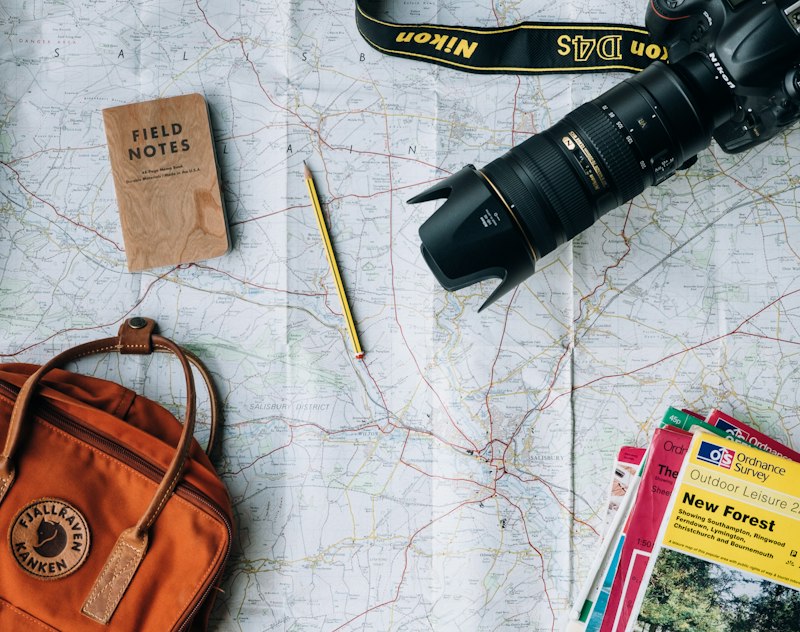
Planning to visit Europe from Morocco in 2026? This complete visa schengen maroc 2026 guide explains, step by step, how to prepare a successful short-stay Schengen visa application from Morocco. Whether you are traveling for tourism, business, family visits, or connecting travel, this article gathers the latest practical advice, common pitfalls to avoid, and clear checklists you can use right away.
As a Moroccan agency helping travelers since 2010, Karama Travel understands how consulates review files and what they expect to see. Use the guidance below to build a credible file that matches your purpose of travel, timeline, and budget. Always verify country-specific rules on the official consulate website before you apply, as requirements can change quickly.
Schengen in 2026: What it is and who is eligible
A Schengen short-stay visa, commonly called Type C, allows you to visit the Schengen Area for up to 90 days in any rolling 180-day period. It is valid for tourism, family or friend visits, business meetings, conferences, or short courses. The visa can be single-entry, double-entry, or multiple-entry depending on your travel plan and history.
Key facts to know:
- The Schengen Area covers most EU countries plus Iceland, Liechtenstein, Norway, and Switzerland. Popular destinations for travelers from Morocco include France, Spain, Italy, Germany, the Netherlands, Belgium, Portugal, Greece, Switzerland, Austria, Sweden, Denmark, Finland, Czechia, Poland, Hungary, Slovenia, Slovakia, Malta, Luxembourg, and the Baltic states.
- Apply in Morocco if you are a Moroccan citizen or a legal resident with a valid residency card.
- Choose the right consulate based on the main destination rule:
- Apply to the country where you will spend the longest time.
- If stays are equal, apply to the country of first entry.
- The 90/180 rule means you cannot exceed 90 days of stay within any 180-day window across all Schengen states.
- Your visa validity and number of entries are decided by the consulate based on your itinerary, financial means, and travel history.
The 2026 Schengen visa documents checklist for applicants in Morocco
Requirements vary slightly by country, but this core checklist applies to most short-stay applications submitted in Morocco. Prepare clean, consistent, and up-to-date documents.
Essential documents:
- Application form completed and signed. Many consulates require online forms; print and sign the final version.
- Valid passport with at least two blank pages, issued within the last 10 years, and valid at least 3 months after your planned exit from Schengen.
- Two recent biometric photos (35x45 mm, white background, neutral expression) taken within the last 6 months.
- Appointment confirmation and payment receipt from TLScontact or VFS Global, plus any email confirmations.
- Previous Schengen visas and entry-exit stamps, if any, photocopied and attached.
Travel purpose and itinerary:
- Detailed travel plan showing dates, cities, and activities. Keep it realistic and coherent.
- Flight reservation or provisional booking that matches your itinerary. You usually do not need to buy the ticket before approval.
- Accommodation proof for every night: hotel bookings, prepaid rentals, or a host invitation supported by official proof where required.
Financial and work status:
- Bank statements for the last 3 to 6 months, stamped by the bank, showing regular income and sufficient balance.
- Proof of employment or business status:
- Employees: employment certificate stating position, salary, start date, and approved leave; recent payslips.
- Self-employed: trade register or patente, tax attestations, bank statements of the company, recent invoices.
- Students: enrollment certificate and student card; parental support documents if applicable.
- Retirees: pension statements or proof of retirement income.
- Proof of strong ties to Morocco: property deeds or lease contracts, family book extracts, ongoing studies, or employer leave approval.
Insurance and civil status:
- Schengen-compliant travel medical insurance covering at least 30,000 EUR for emergency medical care and repatriation, valid for the whole stay and all Schengen states.
- Civil status documents if relevant: family book, marriage certificate, birth certificates for minors. Provide certified translations if requested by the consulate.
For special purposes:
- Family or friend visit: private invitation letter plus official host documents where required (see invitations section below).
- Business: invitation on company letterhead stating purpose, dates, who pays, and contact details; company registry extract of the inviting entity may be requested.
- Minors: both parents consent, copies of parents IDs, and, if applicable, custody or authorization documents.
Tip: Arrange papers in the exact order listed by the consulate and keep copies of everything you submit. Mismatched dates or inconsistent details are common reasons for delays or refusals.
Appointments in Morocco and processing times: TLScontact vs VFS Global
Most Schengen countries outsource appointments and biometrics to visa application centers in Morocco managed by TLScontact or VFS Global. Some countries use other partners for specific missions. Always start on the official consulate page, then follow the link to the authorized partner.
Step-by-step booking:
- Identify the correct consulate based on the main destination rule and read its checklist carefully.
- Create an account on TLScontact or VFS Global for Morocco. Choose the visa application center that serves your region or is authorized for your case. Major centers are typically in Casablanca, Rabat, Tangier, Marrakech, Agadir, Fes, and Oujda.
- Fill the application form (online or PDF), upload or prepare required documents, and select an appointment date.
- Pay the service fee and, in some cases, the visa fee online or at the center. Fees vary by country and can change; check the latest amounts before paying.
- Attend your appointment on time with your full file. You will submit biometrics unless you gave fingerprints for Schengen within the last 59 months.
Useful booking tips:
- Appointment slots often open in waves. Check early morning and early afternoon, enable notifications, and be flexible with your city if permitted by the consulate.
- Apply early. You can usually apply up to 6 months before travel and not later than 15 days before departure. For peak months, aim for 8 to 10 weeks before your trip.
- Keep your phone and email active; centers may contact you for clarifications.
Processing time and tracking:
- Standard processing is up to 15 calendar days after the file reaches the consulate, but complex cases can take up to 45 days.
- Peak seasons see longer queues; plan extra time.
- Track status via your TLScontact or VFS account and SMS or email updates.
- You will be notified to collect your passport or it will be delivered by courier if you selected that option.
Money matters and insurance: Financial requirements, sponsors, and compliant coverage
Financial sufficiency is essential. Consulates want to see that you can pay for transport, accommodation, daily expenses, and emergencies without relying on unauthorized work in Europe.
How to show sufficient means:
- Bank statements for the last 3 to 6 months with your name and account number visible. Avoid sudden unexplained cash deposits. Consistency matters more than a one-time large balance.
- Income proof that matches your bank statements: payslips, employer letter, tax certificates, or business invoices.
- Prepaid items: hotel vouchers, paid tours, or internal transport tickets reduce the daily cash you must justify.
- Sponsor support is possible but does not replace your own means. Provide a sponsor letter, copy of sponsor ID or residence card, sponsor bank statements, and proof of relationship. Some countries require an official financial commitment document issued in Europe by the host authority, such as attestation d'accueil in France, carta de invitacion in Spain, or Verpflichtungserklarung in Germany.
Budget planning tip:
- Even if exact daily thresholds differ by country, prepare a realistic budget that covers flights, accommodation, and daily costs for the full stay. Include a buffer for emergencies. Align this budget with your statements and your cover letter.
Travel insurance that meets Schengen rules:
- Minimum coverage of 30,000 EUR for medical emergencies and repatriation.
- Valid for all Schengen states and for the entire stay, including transit days.
- Zero or low deductible strongly recommended.
- Policy certificate must show your full name and dates of coverage. Carry a printed copy when you travel.
If you have multiple entries planned, ensure your insurance covers the whole period or each entry window as required by the consulate.
Invitations, itineraries, and accommodation proofs that work
Your file must clearly explain why you are going, where you will stay, and how each day fits your purpose.
Private visits to family or friends:
- A personal invitation letter from your host stating your relationship, purpose of visit, exact dates, address, and who pays for what.
- Official host documents often required in addition to the private letter:
- France: attestation d'accueil from the host's mairie.
- Spain: carta de invitacion via local police.
- Germany: Verpflichtungserklarung from the local foreigners office.
- Include host ID or passport copy and, if the host is not an EU citizen, a copy of their residence permit.
Business, conferences, or training:
- Invitation on company or organizer letterhead specifying purpose, dates, venue, cost coverage, and contact person.
- Include trade register extracts for both companies if requested, and proof of past or ongoing business relationship.
- Conference registration, tickets, and agenda strengthen the file.
Tourism with independent travel:
- Hotel bookings for every night of your stay or prepaid rentals with confirmations that show addresses and contact details.
- A practical day-by-day itinerary: city arrival and departure dates, key sights or meetings, intercity transport, and any tours. Keep schedules realistic and avoid last-minute city jumps that look impractical.
Pro formatting tips:
- Dates must align across flights, hotels, invitations, leave letters, and bank statements.
- Use a simple, one-page cover letter to tie the entire file together. Briefly explain your purpose, itinerary, financing, and ties to Morocco.
- Translate Arabic documents into French or English if the consulate requests it, using certified translators when required.
Avoiding refusals and smart tips for first-time applicants
Common refusal reasons and how to prevent them:
- Insufficient means of subsistence: show consistent income, adequate savings, and who pays for what. Do not rely on last-minute cash deposits. Prepay part of the trip if possible.
- Unclear travel purpose: provide a precise itinerary, relevant invitations, and a cover letter that matches all bookings.
- Weak ties to Morocco: add employer leave approval, proof of ongoing studies, family responsibilities, or property documents. First-time travelers should emphasize stable employment or education.
- Document inconsistencies: dates or names that do not match, missing pages, or low-quality scans. Cross-check the entire file line by line before submission.
- Previous immigration issues: disclose past refusals or overstays honestly and explain changes in your situation.
- Questionable or fake documents: never submit falsified papers. This can lead to long-term bans.
Pro tips for first-time applicants:
- Apply early, especially for spring and summer trips. Appointment slots can disappear weeks in advance.
- Keep a clean, logical file order that matches the consulate checklist.
- Use a straightforward itinerary with 1 to 3 base cities rather than an overly ambitious schedule.
- Carry originals on appointment day and keep copies at home.
- Prepare for basic questions at the counter about your trip plan, funding, and ties to Morocco.
- If refused, read the refusal form carefully. You may correct issues and reapply, or follow the appeal path described by the consulate. Improve your file before trying again.
How Karama Travel helps Moroccan travelers apply with confidence
While only consulates can decide on visas, specialized guidance reduces mistakes that trigger delays or refusals. Karama Travel offers practical, application-ready support for travelers in Morocco:
- Personalized checklist review tailored to your route, purpose, and profile.
- Appointment guidance for TLScontact and VFS, plus strategies to catch newly released slots.
- Schengen-compliant travel insurance issued quickly with correct coverage and dates.
- Flight and hotel reservations that align with your plan and meet consular preferences.
- Cover letter templates, file ordering, and document translation coordination when needed.
- Invitation letter guidance for hosts in Europe, explaining which official documents to obtain and how.
- Pre-submission quality check to catch inconsistencies before your appointment, and status tracking after submission.
We are not an embassy or consulate and we do not influence decisions. We help you present a complete, credible file that reflects your true situation. To get started with Karama Travel, reach out via karamatravel.ma or visit our offices in Morocco. فريق كرامة ترافل is ready to support you in English, Arabic, and French.
A well-prepared file is the difference between uncertainty and confidence. Use this visa schengen maroc 2026 guide to map your route, assemble a strong application, and apply early to avoid seasonal backlogs. With careful planning, clear documents, and compliant insurance, most travelers secure their visas without stress. If you want an expert eye on your file or help with reservations and insurance, Karama Travel is here to assist while you stay in control of every decision. Safe travels and bonne route toward your European journey.