Religious Info ·
Difference Between Hajj and Umrah - Complete Comparison
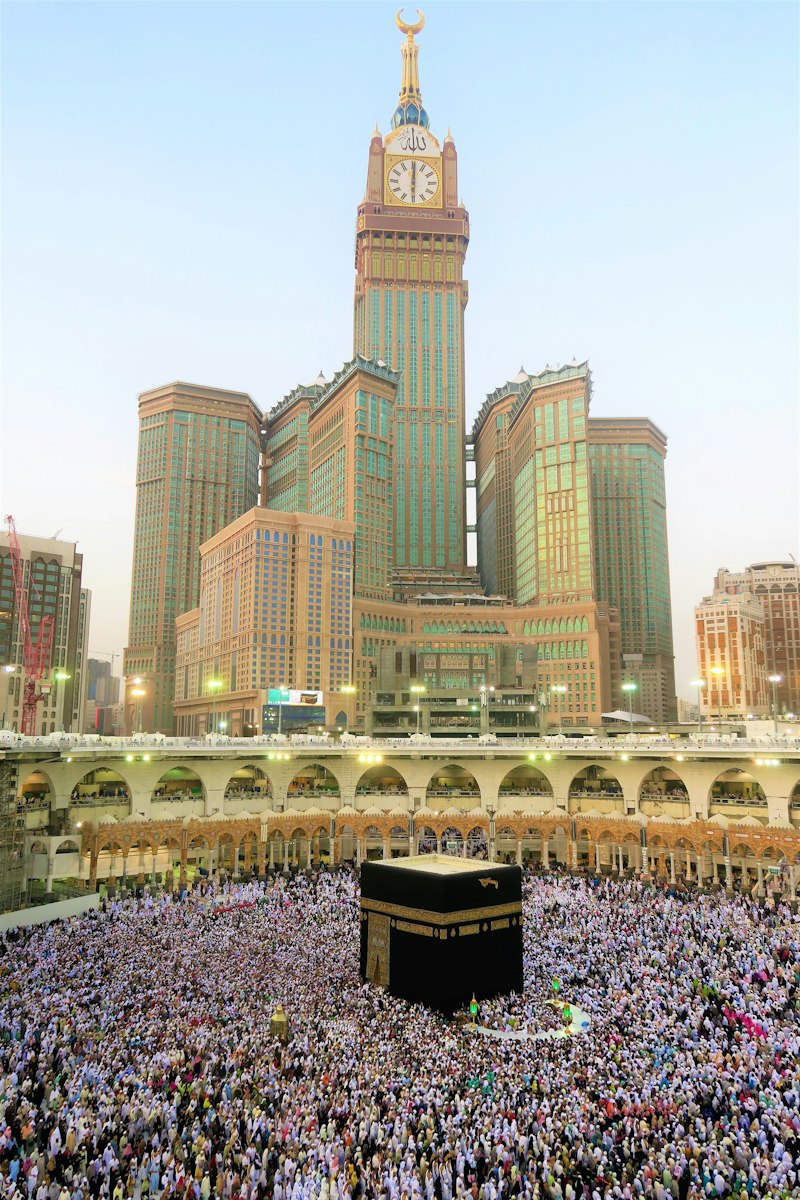
Difference Between Hajj and Umrah: A Complete Comparison Guide
When planning a sacred journey to Makkah, many Muslims find themselves asking about the exact difference between Hajj and Umrah. Both are deeply spiritual pilgrimages that offer immense rewards, but they differ significantly in their rulings, timing, rituals, and overall experience. Whether you are a first-time pilgrim or looking to deepen your understanding of Islamic rituals, this comprehensive guide will walk you through everything you need to know about Hajj vs Umrah.
In this article, you will learn the definitions of both pilgrimages, understand which is obligatory, discover the timing differences, and see a clear comparison of the rituals involved. We will also cover practical aspects such as duration, cost comparison, and answer common questions like whether you can perform both in a single trip.
Understanding the Definitions
To truly grasp the difference between Hajj and Umrah, we must first look at their linguistic and Islamic definitions.
What is Hajj?
Linguistically, Hajj means "to intend a journey." In Islamic terminology, Hajj refers to the annual pilgrimage to the Kaaba in Makkah and specific surrounding areas (Mina, Arafat, and Muzdalifah) to perform specific rituals during a specific time of the year. It is the fifth pillar of Islam and represents the ultimate spiritual journey for a Muslim.
What is Umrah?
Umrah linguistically means "to visit a populated place." In Islam, it refers to visiting the Sacred Mosque in Makkah to perform specific rituals (Tawaf and Sa'i) in a state of Ihram. Often referred to as the "lesser pilgrimage," Umrah is a beautiful act of worship that cleanses the soul and brings the believer closer to Allah.
Obligatory vs Voluntary: The Islamic Ruling
One of the most fundamental differences in the Hajj and Umrah comparison lies in their Islamic rulings.
The Obligation of Hajj
Hajj is a mandatory obligation (Fard) for every adult, sane Muslim who has the physical and financial means (Istita'ah) to perform it. This obligation must be fulfilled at least once in a lifetime. The requirement is clearly stated in the Quran: "And [due] to Allah from the people is a pilgrimage to the House - for whoever is able to find thereto a way" (Surah Ali 'Imran, 3:97).
The Status of Umrah
The ruling on Umrah is a subject of slight difference among Islamic scholars. According to the Shafi'i and Hanbali schools of thought, Umrah is also obligatory once in a lifetime. However, the Hanafi and Maliki schools consider Umrah to be a highly recommended Sunnah (Sunnah Mu'akkadah). Regardless of the scholarly difference, performing Umrah carries immense spiritual weight and is highly encouraged for those who are able.
Timing Differences: When Can You Go?
The timing of the pilgrimage is a crucial factor when considering the difference between Hajj and Umrah.
The Specific Months of Hajj
Hajj can only be performed during specific months of the Islamic lunar calendar, known as the months of Hajj: Shawwal, Dhul-Qa'dah, and Dhul-Hijjah. The actual rituals of Hajj take place exclusively between the 8th and 13th of Dhul-Hijjah. You cannot perform Hajj at any other time of the year.
The Flexibility of Umrah
In contrast, Umrah can be performed at almost any time of the year. The only exception is for pilgrims who are already performing Hajj; they cannot initiate a separate Umrah during the days of Hajj. This flexibility makes Umrah a popular choice for Muslims during school holidays, Ramadan, or whenever they find the opportunity to travel.
Rituals Comparison: What Do You Actually Do?
To make the Hajj vs Umrah comparison clearer, let's look at the specific rituals involved in each.
The Rituals of Umrah
Umrah consists of four main pillars:
- Ihram: Entering the state of purity and intention at the designated Miqat.
- Tawaf: Circumambulating the Kaaba seven times.
- Sa'i: Walking seven times between the hills of Safa and Marwah.
- Halq or Taqsir: Shaving or trimming the hair to exit the state of Ihram.
The Rituals of Hajj
Hajj includes all the rituals of Umrah, plus several additional, physically demanding steps:
- Ihram: From the Miqat.
- Staying in Mina: On the 8th of Dhul-Hijjah (Day of Tarwiyah).
- Standing at Arafat: The most crucial pillar of Hajj on the 9th of Dhul-Hijjah.
- Staying in Muzdalifah: Spending the night after Arafat.
- Rami al-Jamarat: Stoning the pillars in Mina over several days.
- Qurbani (Sacrifice): Offering an animal sacrifice.
- Halq or Taqsir: Shaving or trimming the hair.
- Tawaf al-Ifadah: The obligatory Tawaf of Hajj.
- Sa'i of Hajj: Walking between Safa and Marwah.
- Tawaf al-Wida: The farewell Tawaf before leaving Makkah.
Rituals Comparison Table
| Feature | Umrah | Hajj |
|---|---|---|
| Ihram | Yes | Yes |
| Tawaf | Yes (Tawaf al-Umrah) | Yes (Tawaf al-Ifadah & Wida) |
| Sa'i | Yes | Yes |
| Haircut | Yes | Yes |
| Arafat | No | Yes (Mandatory) |
| Muzdalifah | No | Yes |
| Mina & Stoning | No | Yes |
| Animal Sacrifice | No | Yes (For Tamattu and Qiran) |
Duration and Physical Demands
The duration of the journey is another significant difference between Hajj and Umrah.
How Long Does Umrah Take?
The actual rituals of Umrah can be completed in a few hours (typically 3 to 6 hours, depending on crowd levels). Most pilgrims choose to stay in Makkah and Madinah for 7 to 14 days to maximize their worship, pray in the Haram, and visit historical sites.
How Long Does Hajj Take?
The core rituals of Hajj take five to six days (from the 8th to the 13th of Dhul-Hijjah). However, the entire Hajj journey usually lasts between 14 to 30 days, factoring in travel, preparation, and time spent in Madinah. Hajj is also significantly more physically demanding due to the extensive walking, the heat, and the massive crowds moving together between the holy sites.
Cost Comparison: Budgeting for Your Journey
Financial planning is essential for any pilgrimage. The cost difference between Hajj and Umrah is substantial.
The Cost of Umrah
Umrah is generally much more affordable. The cost depends on the time of year, the standard of accommodation, and the duration of the stay. A typical Umrah package from Europe or North America might range from $1,500 to $3,500. Traveling during peak seasons like Ramadan will increase the cost.
The Cost of Hajj
Hajj is a major financial investment. Due to the logistical complexities, specific visa requirements, and the sheer volume of people, Hajj packages are significantly more expensive. Depending on the country of origin and the level of service, Hajj can cost anywhere from $8,000 to $15,000 or more.
Spiritual Rewards and Significance
Both pilgrimages offer immense spiritual benefits, but the rewards differ in magnitude.
The Reward of Umrah
The Prophet Muhammad (peace be upon him) said: "An Umrah to another Umrah will be redemption of sins for whatever (minor) occurs between them." (Bukhari and Muslim). Performing Umrah during Ramadan carries an even greater reward, equivalent to performing Hajj with the Prophet (PBUH).
The Reward of Hajj
The reward for an accepted Hajj (Hajj Mabrur) is unparalleled. The Prophet (PBUH) said: "And the reward of Hajj Mabrur (the one accepted by Allah) is nothing except Paradise." (Bukhari). Furthermore, whoever performs Hajj for Allah's pleasure and avoids all sins will return free from sins as if they were born anew.
Practical Considerations for Pilgrims
Who Should Do Which First?
If you have the financial and physical means to perform Hajj, it is highly recommended to prioritize Hajj, as it is a mandatory pillar of Islam. Delaying an obligatory act when one is capable is discouraged. However, if you currently only have the means for Umrah, or if you are waiting for a Hajj visa quota, performing Umrah first is an excellent way to familiarize yourself with the holy sites and the state of Ihram.
Can You Do Both in One Trip?
Yes, you can perform both Hajj and Umrah in a single journey. This is known as Hajj al-Tamattu or Hajj al-Qiran.
- Hajj al-Tamattu: The pilgrim performs Umrah during the months of Hajj, exits Ihram, and then re-enters Ihram for Hajj on the 8th of Dhul-Hijjah. This is the most common and recommended type of Hajj.
- Hajj al-Qiran: The pilgrim enters Ihram with the intention of performing both Umrah and Hajj together, remaining in Ihram until the Hajj rituals are completed.
Conclusion
Understanding the difference between Hajj and Umrah is essential for any Muslim planning to visit the House of Allah. While Hajj is a mandatory, physically demanding, and time-specific pillar of Islam, Umrah is a highly recommended, flexible, and shorter pilgrimage. Both journeys offer profound spiritual cleansing and the opportunity to draw closer to the Creator.
If you are ready to embark on your spiritual journey, whether for Hajj or Umrah, Karama Travel is here to guide you every step of the way. With our expert team, comprehensive packages, and dedication to your comfort, we ensure that your focus remains entirely on your worship. Visit karamatravel.ma today to explore our latest Umrah and Hajj packages tailored for your needs.
Useful Links
Discover our Umrah packages and Hajj packages. Also read the complete Hajj guide.